
slide-001.jpg
slide-002.jpg
We strive to provide our patients the highest quality foot and ankle care. From comprehensive diagnostics to a wide range of podiatric services from routine to advanced, our goal is to pinpoint the underlying cause of your condition and treat it successfully.
For more than 20 years, Dr. Tran and the team at AllCare Foot & Ankle Center have been helping patients return to the activities that matter most. With locations in Arlington and Dallas, TX the practice is built around the simple idea that when your feet feel better, your whole life feels more manageable.
Foot and ankle pain can make even everyday movement feel like a challenge. At AllCare, care begins with listening. Each patient is evaluated thoroughly so the root of the problem is clearly understood, not just the symptoms. Dr. Tran brings decades of experience and advanced training to every visit, allowing for thoughtful, individualized treatment that supports long-term mobility and comfort.
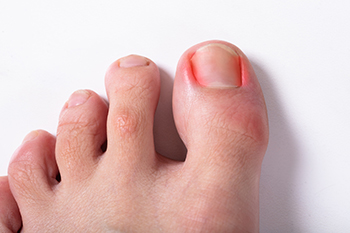
The team takes a hands-on, comprehensive approach, recognizing that foot pain can sometimes be connected to issues in the legs, hips, or back. From ingrown toenails and sports injuries to diabetic foot care and wound management, every concern is treated with attention and respect.
AllCare Foot & Ankle Center welcomes patients seeking experienced, attentive care. Call or schedule online to get started.

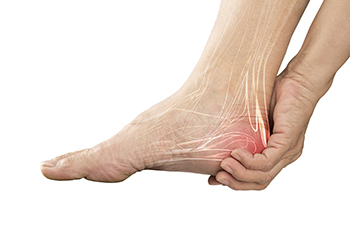
Heel pain is a frequent complaint among people who visit a podiatrist. It can have a variety of causes, such as plantar fasciitis, Achilles tendonitis, bursitis, Sever’s disease, and nerve pain. The location and type of pain that you are experiencing helps guide diagnosis.
Plantar fasciitis is an overuse injury of the ligament that runs along the bottom of your foot. It is caused by repetitive and excessive stress being placed on the heel, usually from participating in sports that involve a lot of running or jumping. The heel pain is usually described as a sharp, stabbing pain and is at its worst when you take your first few steps after a long period of rest, such as upon getting out of bed in the morning. Similarly, Achilles tendonitis is also an overuse injury, but of the Achilles tendon, which connects your calf muscles to your heel bone. The heel and back of the leg may be tender, painful, and swollen. Bursitis is an inflammation of the heel bursa, small fluid-filled sacs located inside the heel. It can cause redness and swelling in the fat pad of the heel. Sever’s disease is an overuse injury of the growth plate in the heel which most frequently affects children between the ages of 8 and 14. Nerve pain in the heel, while less common than pain from overuse, is often indicated by burning, stinging, or tingling sensations in the heel. These are usually caused by a compressed nerve.
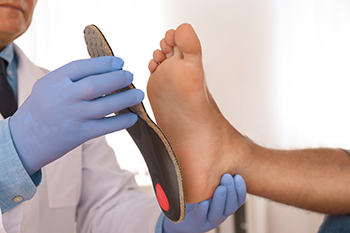
Treatment for your heel pain will depend on your diagnosis. Frequently suggested treatments include activity and footwear modifications, orthotics, over-the-counter pain medications, and resting and icing the affected foot. Surgery can sometimes be necessary for more severe or chronic injuries. To find out what is causing your heel pain and how best to treat it, please consult with a podiatrist.

Although the majority of foot and ankle conditions can be treated with conservative measures, there are cases when surgical intervention can be suggested or necessary to relieve symptoms and restore function. A variety of foot and ankle injuries, deformities, diseases, and systemic conditions that affect the lower limbs can be treated surgically. Whether or not surgery may benefit you is dependent on the problem and its duration, as well as its severity.
Certain injuries may require surgery to ensure a full recovery. These can include severe ankle sprains, fractures, Achilles tendon ruptures, turf toe, Morton’s neuroma, and plantar fasciitis. While foot deformities can usually be dealt with conservatively, surgical treatment may be warranted if the deformity is moderate to severe or impacts your quality of life. Common foot deformities that can be treated with surgery include bunions and hammertoes.
Arthritis, which can affect the joints of the feet and ankles, can be treated surgically as well. Joint replacement surgery may be suggested for joints in the feet or the ankle joints if the arthritis is severe and significantly impacts your mobility. Systemic diseases, like diabetes, poor circulation, and peripheral neuropathy, can damage the lower limbs. When these conditions are left undiagnosed, untreated, or are poorly managed, lower limb problems often occur. Infected and poorly healing foot wounds, for example, are frequently seen among people with diabetes. When these wounds progress, surgery may be needed to remove damaged tissue and save the limb from amputation.
If you have a foot or ankle condition, please consult with a podiatrist, who can determine which type of treatment is right for you.
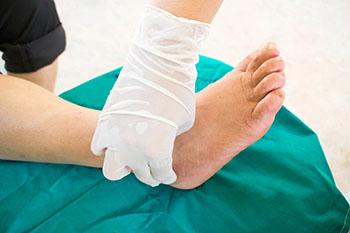
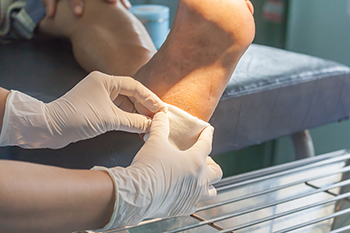
Wounds on the feet are a common occurrence in people who have diabetes. This is because those with diabetes also tend to have peripheral neuropathy, a type of nerve damage that can cause loss of sensation in the lower limbs, and poor blood circulation. Any small cut, scrape, or sore on diabetic feet may go unnoticed because of a lack of sensation, while poor blood flow to the area can mean that any injury will heal slowly, poorly, or not at all. Left undetected and untreated, even small wounds can become diabetic foot ulcers (DFUs), which can become infected and lead to serious medical complications, up to and including amputation in the worst-case scenarios.
Fortunately, there are steps that those with diabetes can take to care for their feet and prevent the formation of DFUs. People with diabetes should wear shoes and socks when walking to avoid foot injuries. The shoes should fit properly, cushion the feet, and have a low heel. When trimming the toenails, nail clippers should be used to cut the nails straight across and not too short. This helps prevent ingrown toenails, which can become infected and lead to DFUs. Finally, it is important to be vigilant of any potential foot problems by inspecting the feet daily for any irregularities, such as cuts, scrapes, sores, discoloration, swelling, pain, or any strange sensations like numbness, burning, or tingling.
To learn more about how to care for diabetic feet and prevent and treat foot wounds, please speak with a podiatrist.
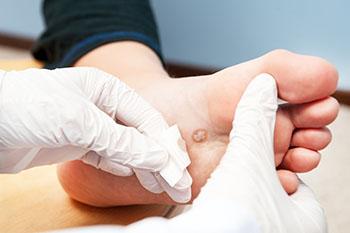
If you notice small bumps around the heel or weight-bearing areas of your feet, you may have developed plantar warts. When the HPV virus enters the skin through an opening, such as a small cut or scrape, plantar warts can form and often cause discomfort. Some indicators that you have plantar warts include feeling pain in the soles of the feet when standing or walking and the formation of small fleshy growths, sometimes including a tiny black dot in the center of the bump.
To best prevent getting plantar warts, it’s advised to keep your hands and feet clean and wash them regularly. It’s also important to ensure you wear appropriate footwear in public areas such as swimming pools, locker rooms, and communal showers. Because plantar warts are contagious, it’s especially important for those with a weaker immune system to make sure they take the above precautions. If you believe you’ve developed plantar warts and are experiencing severe pain, swelling, redness, or bleeding, it’s advised to seek professional care.
For more information about plantar warts, we recommend you consult with a podiatrist for a proper diagnosis and advised treatment plan.
3030 Matlock Rd, 102, Arlington, TX 76015
Mon:8:30am - 5:00 pm
Tue:8:30am - 5:00 pm
Wed:8:30am - 5:00 pm
Thu:8:30am - 5:00 pm
Fri:8:30am - 4:30 pm
17110 Dallas Pkwy, Suite 180, Dallas, TX 75248
Mon:8:30am - 5:00 pm
Tue:8:30am - 5:00 pm
Wed:8:30am - 5:00 pm
Thu:8:30am - 5:00 pm
Fri:8:30am - 4:30 pm