





slide-001.jpg
slide-002.jpg

Podiatry Treatment & Services

We strive to provide our patients the highest quality foot and ankle care. From comprehensive diagnostics to a wide range of podiatric services from routine to advanced, our goal is to pinpoint the underlying cause of your condition and treat it successfully.

Welcome to AllCare Foot & Ankle Center!

For more than 20 years, Dr. Tran and the team at AllCare Foot & Ankle Center have been helping patients return to the activities that matter most. With locations in Arlington and Dallas, TX the practice is built around the simple idea that when your feet feel better, your whole life feels more manageable.

Foot and ankle pain can make even everyday movement feel like a challenge. At AllCare, care begins with listening. Each patient is evaluated thoroughly so the root of the problem is clearly understood, not just the symptoms. Dr. Tran brings decades of experience and advanced training to every visit, allowing for thoughtful, individualized treatment that supports long-term mobility and comfort.

The team takes a hands-on, comprehensive approach, recognizing that foot pain can sometimes be connected to issues in the legs, hips, or back. From ingrown toenails and sports injuries to diabetic foot care and wound management, every concern is treated with attention and respect.

AllCare Foot & Ankle Center welcomes patients seeking experienced, attentive care. Call or schedule online to get started.

neuromas

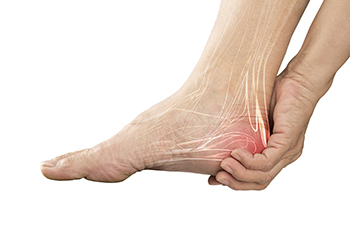
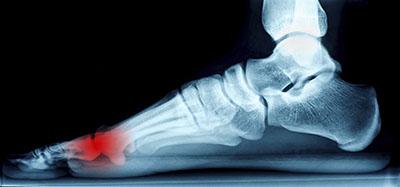
If you find yourself feeling as though you are walking on a pebble in your shoe, only to check and find no pebble there, then you may have Morton’s neuroma. Morton’s neuroma is a foot condition in which the nerve tissue between the toes thickens, causing symptoms such as pain, tingling, burning, numbness, and the feeling of something being stuck in the ball of the foot. The symptoms may come on gradually, go away temporarily, and then return, progressively worsening over time.

The nerve tissue thickening associated with Morton’s neuroma is caused by compression or irritation of the nerve. This can occur due to wearing shoes that are too too tight or narrow in the toe area, wearing high heels which put excess pressure on the balls of the feet and toes, running, or playing court sports like tennis. Having certain foot conditions, such as bunions, hammertoes, or flat feet, can predispose you to developing Morton’s neuroma.

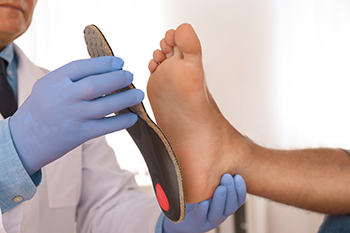
A podiatrist can diagnose Morton’s neuroma by taking a medical history and completing a physical examination. Sometimes imaging studies are used to confirm the diagnosis. Treatment is typically conservative and may include padding the foot, wearing orthotics, modifying footwear and activities, resting and icing the affected foot, taking anti-inflammatory medications, or injecting medicine directly into the foot. In severe or chronic cases, surgery may be recommended.

If you are experiencing the symptoms of Morton’s neuroma, please seek the care of a podiatrist.

Arlington Office

3030 Matlock Rd, 102, Arlington, TX 76015

Mon:8:30am - 5:00 pm

Tue:8:30am - 5:00 pm

Wed:8:30am - 5:00 pm

Thu:8:30am - 5:00 pm

Fri:8:30am - 4:30 pm

Dallas Office

17110 Dallas Pkwy, Suite 180, Dallas, TX 75248

Mon:8:30am - 5:00 pm

Tue:8:30am - 5:00 pm

Wed:8:30am - 5:00 pm

Thu:8:30am - 5:00 pm

Fri:8:30am - 4:30 pm

Latest Blogs

scroll to top