






slide-001.jpg
slide-002.jpg

Podiatry Treatment & Services

We strive to provide our patients the highest quality foot and ankle care. From comprehensive diagnostics to a wide range of podiatric services from routine to advanced, our goal is to pinpoint the underlying cause of your condition and treat it successfully.

Welcome to AllCare Foot & Ankle Center!

For more than 20 years, Dr. Tran and the team at AllCare Foot & Ankle Center have been helping patients return to the activities that matter most. With locations in Arlington and Dallas, TX the practice is built around the simple idea that when your feet feel better, your whole life feels more manageable.

Foot and ankle pain can make even everyday movement feel like a challenge. At AllCare, care begins with listening. Each patient is evaluated thoroughly so the root of the problem is clearly understood, not just the symptoms. Dr. Tran brings decades of experience and advanced training to every visit, allowing for thoughtful, individualized treatment that supports long-term mobility and comfort.

The team takes a hands-on, comprehensive approach, recognizing that foot pain can sometimes be connected to issues in the legs, hips, or back. From ingrown toenails and sports injuries to diabetic foot care and wound management, every concern is treated with attention and respect.

AllCare Foot & Ankle Center welcomes patients seeking experienced, attentive care. Call or schedule online to get started.

wound care

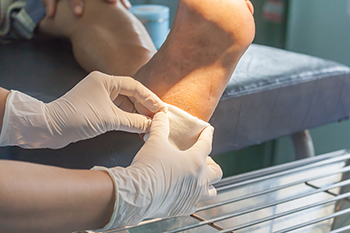
Wounds on the feet are a common occurrence in people who have diabetes. This is because those with diabetes also tend to have peripheral neuropathy, a type of nerve damage that can cause loss of sensation in the lower limbs, and poor blood circulation. Any small cut, scrape, or sore on diabetic feet may go unnoticed because of a lack of sensation, while poor blood flow to the area can mean that any injury will heal slowly, poorly, or not at all. Left undetected and untreated, even small wounds can become diabetic foot ulcers (DFUs), which can become infected and lead to serious medical complications, up to and including amputation in the worst-case scenarios.

Fortunately, there are steps that those with diabetes can take to care for their feet and prevent the formation of DFUs. People with diabetes should wear shoes and socks when walking to avoid foot injuries. The shoes should fit properly, cushion the feet, and have a low heel. When trimming the toenails, nail clippers should be used to cut the nails straight across and not too short. This helps prevent ingrown toenails, which can become infected and lead to DFUs. Finally, it is important to be vigilant of any potential foot problems by inspecting the feet daily for any irregularities, such as cuts, scrapes, sores, discoloration, swelling, pain, or any strange sensations like numbness, burning, or tingling.

To learn more about how to care for diabetic feet and prevent and treat foot wounds, please speak with a podiatrist.

Arlington Office

3030 Matlock Rd, 102, Arlington, TX 76015

Mon:8:30am - 5:00 pm

Tue:8:30am - 5:00 pm

Wed:8:30am - 5:00 pm

Thu:8:30am - 5:00 pm

Fri:8:30am - 4:30 pm

Dallas Office

17110 Dallas Pkwy, Suite 180, Dallas, TX 75248

Mon:8:30am - 5:00 pm

Tue:8:30am - 5:00 pm

Wed:8:30am - 5:00 pm

Thu:8:30am - 5:00 pm

Fri:8:30am - 4:30 pm

Latest Blogs

scroll to top