
slide-001.jpg
slide-002.jpg
We strive to provide our patients the highest quality foot and ankle care. From comprehensive diagnostics to a wide range of podiatric services from routine to advanced, our goal is to pinpoint the underlying cause of your condition and treat it successfully.
For more than 20 years, Dr. Tran and the team at AllCare Foot & Ankle Center have been helping patients return to the activities that matter most. With locations in Arlington and Dallas, TX the practice is built around the simple idea that when your feet feel better, your whole life feels more manageable.
Foot and ankle pain can make even everyday movement feel like a challenge. At AllCare, care begins with listening. Each patient is evaluated thoroughly so the root of the problem is clearly understood, not just the symptoms. Dr. Tran brings decades of experience and advanced training to every visit, allowing for thoughtful, individualized treatment that supports long-term mobility and comfort.
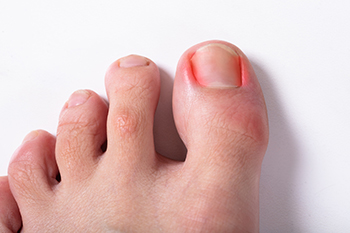
The team takes a hands-on, comprehensive approach, recognizing that foot pain can sometimes be connected to issues in the legs, hips, or back. From ingrown toenails and sports injuries to diabetic foot care and wound management, every concern is treated with attention and respect.
AllCare Foot & Ankle Center welcomes patients seeking experienced, attentive care. Call or schedule online to get started.
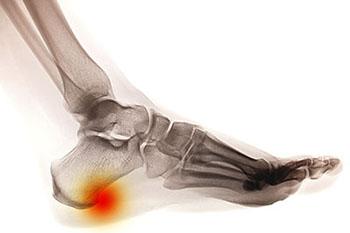
Heel spurs are deposits of calcium that build upon the underside of the heel bone. They are usually caused by excessive strain on the foot muscles and ligaments and are especially common among athletes. Other risk factors for developing heel spurs include being overweight or obese, wearing ill-fitting shoes, and having an abnormal gait or walking pattern.
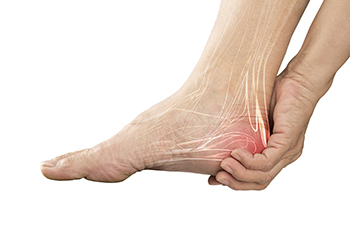
Heel spurs often don’t cause any symptoms and go undetected. When they do cause symptoms, it is usually because of soft-tissue injuries around the heel spur, rather than the heel spur itself, that is the root of the problem. The most common symptom of a heel spur is a sharp or stabbing heel pain that is at its worst when you take your first few steps after a long period of rest, such as when you get out of bed in the morning. The pain may become a dull ache as you go about your day. Sometimes a heel spur can also cause intermittent or chronic pain when you walk, jog, or run.
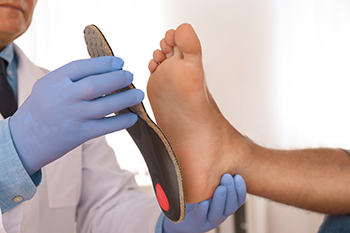
Heel spurs are typically diagnosed through a physical examination and imaging studies like X-rays. Treatment recommendations may include doing certain foot stretches, modifying your footwear, wearing orthotics, or using night splints. Over-the-counter medications can be used to relieve pain and inflammation. Surgical treatment may be considered if more conservative measures have failed to alleviate your symptoms, but surgery is rarely required for heel spurs.
If you are experiencing heel pain, please see a podiatrist for a proper diagnosis and treatment plan.
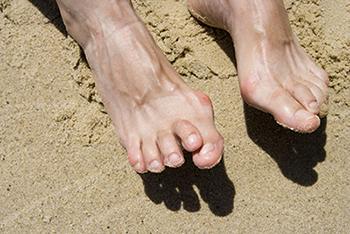
Hammertoes are a common foot deformity in which the toes bend downward at the middle joint. This gives the toes a claw or hammer-like appearance. Beyond aesthetic concerns about the appearance of the toes, this condition can also be painful. The toes may become stiff or immobile at the joints, cause pain during movement, become swollen, red, or inflamed, and make wearing shoes uncomfortable as the tops of the toes rub against the shoes, leading to corns and calluses.
Hammertoes are thought to be caused by a muscle imbalance in the toes, which puts increased pressure on the toe’s tendons and joints. This muscle imbalance may be caused by genetic differences in the structure of your foot, wearing shoes that are too tight, small, or narrow, have no arch support, or have excessively high heels, neuromuscular diseases, and injury to the toes.
Without treatment, hammertoes become progressively worse over time. Treatment for flexible hammertoes, which retain mobility at the joint, is usually conservative and may include making footwear modifications, wearing orthotics, taking medications to reduce pain and inflammation, and padding corns and calluses that have developed on the toes. Rigid hammertoes, which have caused the toes to become completely stiff and immobile at the joint, may require surgery to straighten them.
If you have hammertoes, please seek the care of a podiatrist.
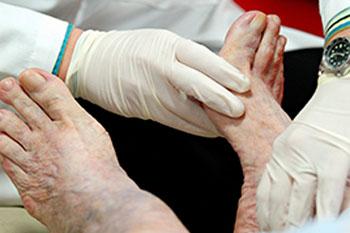
Your feet support the weight of your body and carry you through your daily activities throughout your life. Over time, the natural wear and tear that your feet have endured can make certain foot and ankle conditions more common. Older adults may be more prone to problems such as heel pain, ingrown toenails, bunions, corns, and calluses. The fatty pads that cushion the bottoms of the feet can break down, leading to foot pain while walking or standing. Systemic conditions like diabetes or poor circulation also become more common with age and can affect the feet.
For an older adult, having a daily foot care routine becomes increasingly important. Washing the feet daily, drying them thoroughly, and moisturizing are some of the key components of maintaining good foot hygiene, which can help prevent infections and dry, cracked heels. Wearing socks and comfortable, wider shoes with good cushioning and arch support or orthotic inserts can protect your feet from injury and reduce discomfort. Caring for your toenails by trimming them straight across regularly can prevent ingrown toenails. Inspecting your feet daily for any irregularities, such as discoloration, unusual sensations, cuts, scrapes, sores, or bruises is suggested to catch any problems early and treat them before they worsen.
For more information about caring for elderly feet, please consult with a podiatrist.
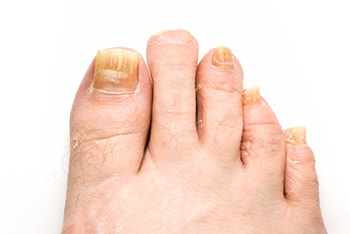
Onychomycosis, or fungal infection of the toenails, is a very common condition. The fungi that cause this infection live and thrive in warm and moist environments. Unfortunately, this makes the feet and toenails an ideal home for them. Toenail fungus is highly contagious and can be contracted from walking barefoot in places like public pools and communal showers, sharing personal items like towels and shoes, and coming into direct contact with an infected person.
Toenail fungus can change the appearance of the toenails. They may become thickened, brittle, or crumbly. The nails can also become discolored and turn yellow, white, or brown. They may begin to lift and separate from the nail bed and emit a foul odor. The infection is usually not painful unless it has progressed and become severe. People who have diabetes, poor circulation, a weak immune system, excessively sweaty feet, toenail injuries, or Athlete’s foot are at an increased risk of contracting toenail fungus and experiencing complications.
Toenail fungus can be treated through topical solutions, which are applied directly to the nail, oral antifungal medications, or laser treatment. In severe cases where the infection has progressed or is recurring, surgery to remove some or all of the infected nail may be necessary. If you have toenail fungus, please consult with a podiatrist who can find the right treatment for you.
3030 Matlock Rd, 102, Arlington, TX 76015
Mon:8:30am - 5:00 pm
Tue:8:30am - 5:00 pm
Wed:8:30am - 5:00 pm
Thu:8:30am - 5:00 pm
Fri:8:30am - 4:30 pm
17110 Dallas Pkwy, Suite 180, Dallas, TX 75248
Mon:8:30am - 5:00 pm
Tue:8:30am - 5:00 pm
Wed:8:30am - 5:00 pm
Thu:8:30am - 5:00 pm
Fri:8:30am - 4:30 pm