
slide-001.jpg
slide-002.jpg
We strive to provide our patients the highest quality foot and ankle care. From comprehensive diagnostics to a wide range of podiatric services from routine to advanced, our goal is to pinpoint the underlying cause of your condition and treat it successfully.
For more than 20 years, Dr. Tran and the team at AllCare Foot & Ankle Center have been helping patients return to the activities that matter most. With locations in Arlington and Dallas, TX the practice is built around the simple idea that when your feet feel better, your whole life feels more manageable.
Foot and ankle pain can make even everyday movement feel like a challenge. At AllCare, care begins with listening. Each patient is evaluated thoroughly so the root of the problem is clearly understood, not just the symptoms. Dr. Tran brings decades of experience and advanced training to every visit, allowing for thoughtful, individualized treatment that supports long-term mobility and comfort.
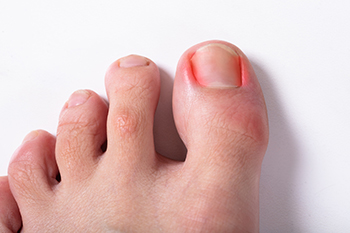
The team takes a hands-on, comprehensive approach, recognizing that foot pain can sometimes be connected to issues in the legs, hips, or back. From ingrown toenails and sports injuries to diabetic foot care and wound management, every concern is treated with attention and respect.
AllCare Foot & Ankle Center welcomes patients seeking experienced, attentive care. Call or schedule online to get started.
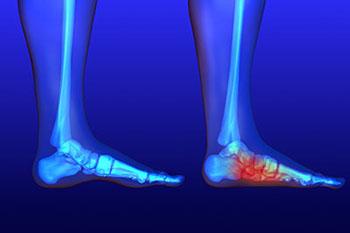
The term “flat feet” refers to feet that have no visible arch when weight is placed on them. Having flat feet is very common. Flat feet are often asymptomatic, but when symptoms do arise, they often include pain, tenderness, or cramping in the foot and an overpronated gait or walking pattern.
Babies are born with flat feet, but most will develop an arch within the first few years of life. Sometimes, the arch does not develop, leading to flat feet that last throughout adulthood. In other cases, an arch may develop normally but then flatten over time due to excessive wear and tear, pregnancy, or obesity. Most people with flat feet have flexible flat feet. This means that the feet have a visible arch, but only when they are not bearing weight. Flexible flat feet do not usually cause pain. Rigid flat feet, on the other hand, have no arch regardless of whether or not the feet are bearing any weight. This type of flat foot is more likely to cause symptoms.
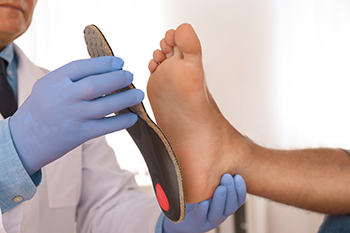
If you have flat feet, a podiatrist can help you monitor your foot health and treat any foot or ankle pain that may arise. Wearing over-the-counter or custom orthotics, doing certain foot stretches, and modifying physical activities may help reduce symptoms caused by having flat feet.

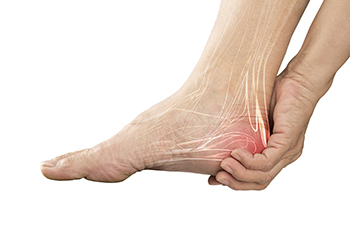
Foot pain is the most common complaint among patients who see a podiatrist. Pain in your feet comes in various forms and can affect any area of the foot. When diagnosing the underlying cause of your foot pain, a podiatrist will ask you about your medical history and perform a thorough physical examination. Imaging studies, such as X-rays, may also be ordered to confirm or rule out certain diagnoses.
Describing the location and type of foot pain that you are experiencing is the key to an accurate diagnosis. Pain in the heel is often caused by plantar fasciitis, Sever’s disease, bursitis, Achilles tendonitis, a heel spur, or a stress fracture. Pain in the middle of the foot may be due to an overuse injury, stress fracture, sprains, flat feet, or arthritis. Pain in the front of the foot is frequently the result of a sprained or broken toe, Morton’s neuroma, bunions, hammertoes, or metatarsalgia. Stinging, burning, or numbness may be indicative of damage to one or more nerves in the feet. Stabbing or sharp pain may be caused by an acute injury. Stiffness and a reduction are usually characteristic of a joint problem, such as arthritis.
If you are experiencing any type of foot pain or discomfort, please consult with a podiatrist to get a proper diagnosis and explore treatment options.
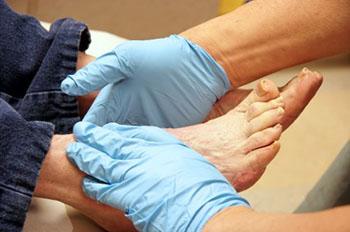
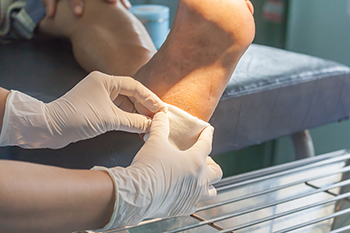
Diabetes can affect every part of your body - including your feet. Those with diabetes are more likely to experience associated health conditions such as peripheral neuropathy and poor circulation. These can lead to a loss of sensation and impaired wound healing in the feet and ankles, so people with diabetes must be extra vigilant when it comes to monitoring and maintaining the health of their feet.
Caring for diabetic feet starts with establishing a good foot care routine. It is important to maintain good foot hygiene by washing the feet daily and drying them thoroughly. Applying a moisturizer following a shower can help prevent dry, cracked heels. When walking around the house or outdoors, avoid walking barefoot, as this can make foot injuries more likely. Instead, wear socks and comfortable, supportive shoes.
Doing a daily foot inspection, which can be done with the help of a mirror, is vital. This practice can help you detect any abnormalities in your feet early on so that they can be treated promptly. Each day, sit down in a chair and check both of your feet for any cuts, scrapes, sores, bruises, blisters, cracks, corns, calluses, swelling, or discoloration. Also, take note of how your feet feel. Is there any pain or discomfort? Burning, stinging, numbness, or itchy sensations? If you notice anything out of the ordinary, it is strongly suggested that you see a podiatrist as soon as possible. A podiatrist can help you by diagnosing and treating any foot problems when they arise, thus maintaining the health of your feet.
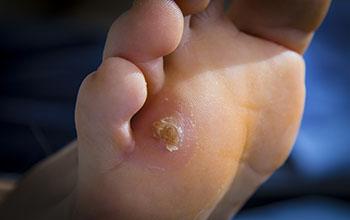
Corns are hardened bumps of skin that can appear on your feet. You may get corns in response to friction from your shoes rubbing against an area of skin, being on your feet for prolonged periods of time, walking barefoot, or as a consequence of structural or biomechanical deformities in your feet. Corns get their name from their physical appearance, which is similar to a corn kernel. Much like a corn kernel, a foot corn is rough, yellowish, and bumpy.
Corns usually develop between or on top of the toes, on the sides of the feet, or on the soles of the feet. Corns that form between the toes are often softer than those that form elsewhere on the foot. They can be sensitive to the touch and cause pain or discomfort when you wear your shoes, walk, or stand.
Corns may or may not cause pain or discomfort. Often, home treatments like soaking the feet and applying moisturizer can soften the corn. However, you should see a podiatrist if home treatments are ineffective, you want to remove a corn, or if you have other medical conditions like diabetes which can impair healing and increase your risk of infection.
3030 Matlock Rd, 102, Arlington, TX 76015
Mon:8:30am - 5:00 pm
Tue:8:30am - 5:00 pm
Wed:8:30am - 5:00 pm
Thu:8:30am - 5:00 pm
Fri:8:30am - 4:30 pm
17110 Dallas Pkwy, Suite 180, Dallas, TX 75248
Mon:8:30am - 5:00 pm
Tue:8:30am - 5:00 pm
Wed:8:30am - 5:00 pm
Thu:8:30am - 5:00 pm
Fri:8:30am - 4:30 pm