




Morton’s toe describes a foot shape in which the second toe appears longer than the big toe. This difference usually occurs because the bone behind the big toe is shorter than the bone behind the second toe. Morton’s toe does not always cause problems or require treatment. However, this shape can change how pressure moves across the foot. More force may fall beneath the second toe and the ball of the foot. This uneven pressure can lead to soreness, thickened skin, or strain after standing or walking.
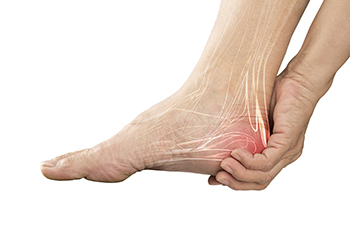
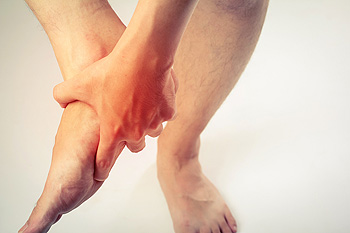
Symptoms can develop when the foot bears weight in this altered pattern. Pain may affect the ball or arch of the foot, and a callus can form beneath the second toe. The longer toe may also rub against the front of a shoe, causing irritation or a bent-toe position. Shoes that lack proper support or have a narrow toe box can make these problems worse. Morton’s toe may also stress nearby joints and soft tissues. A podiatrist can determine whether the foot shape is contributing to pain. The examination includes checking toe position, tender areas, and the patient’s walking pattern. Imaging tests may be ordered when a bone or joint problem is suspected.
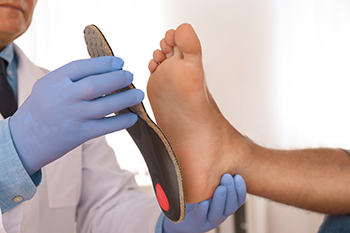
Treatment focuses on improving pressure distribution and protecting painful areas. A podiatrist may recommend properly-fitted shoes with enough room for the longer second toe. Custom orthotics can support the foot and shift pressure away from sensitive areas. Padding may provide added protection beneath the ball of the foot. The podiatrist can also treat painful calluses and monitor changes in toe position. When symptoms are severe and other care has not helped, surgery may be considered to correct the bone structure. Treatment is based on the source of pain, foot shape, and daily activity needs. If you have symptoms of Morton's toe, it is suggested that you schedule an appointment with a podiatrist for diagnosis and appropriate treatment.
Toe pain can disrupt your daily activities. If you have any concerns, contact Michael Tran of AllCare Foot & Ankle Center. Our doctor can provide the care you need to keep you pain-free and on your feet.
What Causes Toe Pain?
Most severe toe pain is caused due to a sports injury, trauma from dropping something heavy on the toe, or bumping into something rigid. Other problems can develop over time for various reasons.
Toe pain can be caused by one or more ailments. The most common include:
- Trauma
- Sports injury
- Wearing shoes that are too tight
- Arthritis
- Gout
- Corns and calluses
- Hammertoe
- Bunions
- Blisters
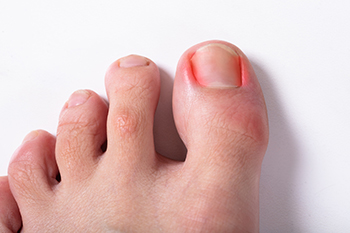
- Ingrown toenails
- Sprains
- Fractures (broken bones)
- Dislocations
When to See a Podiatrist
- Severe pain
- Persistent pain that lasts more than a week
- Signs of infection
- Continued swelling
- Pain that prevents walking
Diagnosis
In many cases the cause of toe pain is obvious, but in others, a podiatrist may want to use more advanced methods to determine the problem. These can range from simple visual inspections and sensation tests to X-rays and MRI scans. Prior medical history, family medical history, and any recent physical traumatic events will all be taken into consideration for a proper diagnosis.
Treatment
Treatments for toe pain and injuries vary and may include shoe inserts, padding, taping, medicines, injections, and in some cases, surgery. If you believe that you have broken a toe, please see a podiatrist as soon as possible.
If you have any questions please contact our offices located in Arlington and Dallas . We offer the newest diagnostic and treatment technologies for all your foot and ankle needs.


